THE MELLORYN JOURNAL
Healthy Eating Beyond the Kitchen: Making Nourishing Choices Part of Your Social Life

Healthy Eating Beyond the Kitchen: Making Nourishing Choices Part of Your Social Life
From weekend brunches and shared dinners to busy workdays, celebrations, and adventures with friends, discover how nourishing food choices can fit naturally into a full and connected life.

Good food belongs in good company.
Eating well is often pictured as something that happens at home: a thoughtfully stocked pantry, a homemade lunch, a bowl of colorful vegetables, or a carefully planned weekly menu. These everyday habits can be useful, but our relationship with food extends far beyond the kitchen.
Food is also part of friendship, family, culture, travel, work, and celebration. We meet people for coffee, share snacks on road trips, discover restaurants, attend gatherings, and connect over familiar recipes. These experiences shape how we eat and how we relate to one another.
When healthy eating is treated as a set of inflexible rules, social occasions can start to feel unnecessarily complicated. A more sustainable approach allows room for personal preferences, different food environments, and the pleasure of sharing a meal.
The goal is not to make the same choices everywhere or to judge every plate. It is to develop a flexible understanding of nourishment that works at home, at work, outdoors, and around the people who matter to you.
In this guide, we explore practical ways to make satisfying food choices while keeping spontaneity, enjoyment, and meaningful connection at the center of everyday life.
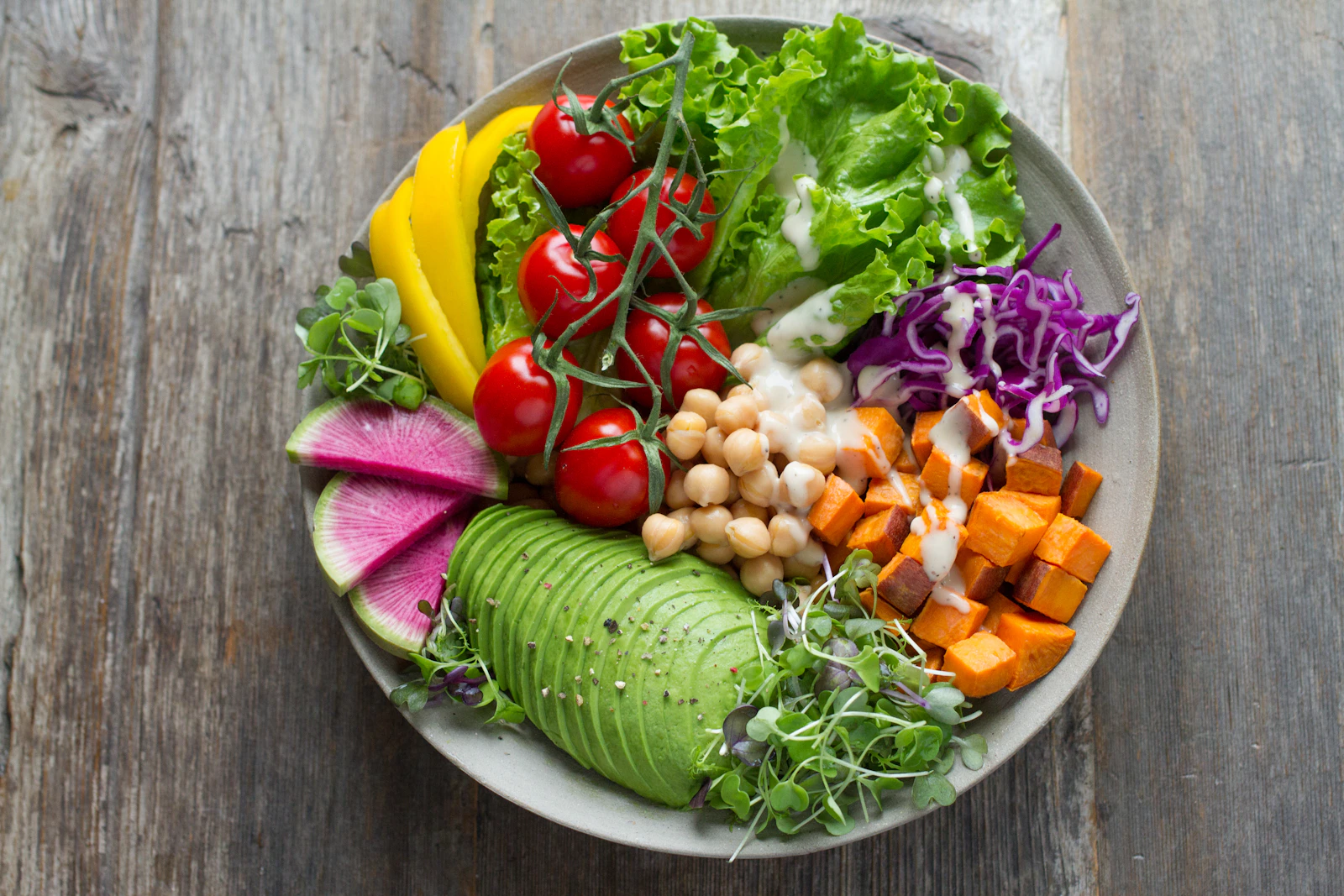
Think beyond a single meal.
A nourishing eating pattern develops over time. It is influenced by the variety of foods we enjoy, our individual nutritional needs, and the routines that fit our circumstances.
One restaurant dinner, birthday cake, or spontaneous snack does not define your overall eating habits. Similarly, choosing a salad at lunch does not mean every other food choice needs to follow a particular formula.
Looking at the broader picture can make social eating feel more relaxed. It allows you to appreciate a meal for its flavor, nourishment, and the experience of sharing it.
Explore different foods and ingredients across meals rather than expecting every plate to contain everything.
Notice your hunger, fullness, and satisfaction, while recognizing that individual needs can change.
Flavor, culture, tradition, and connection are meaningful parts of eating well.
Make space for the people at the table.
Some of our most memorable food experiences have little to do with specific nutrients. They involve a conversation that lasts longer than expected, a family recipe prepared together, or the excitement of discovering a new place to eat.
Shared meals can offer opportunities for connection, storytelling, and learning about one another's cultures and preferences. They can also create a sense of belonging through familiar routines and traditions.
Instead of focusing entirely on what is on the plate, consider the atmosphere around it. Ask questions, exchange stories, try new flavors when comfortable, and allow the experience to unfold naturally.
It is equally important to respect different food needs. Allergies, medical requirements, religious practices, sensory preferences, and personal choices can all influence what someone eats. Thoughtful hospitality makes room for those differences without drawing unnecessary attention to them.


Take nourishment wherever life leads.
Not every meal happens at a dining table. Outdoor activities, commuting, travel, and busy schedules often call for practical food options that are easy to carry and enjoy.
For a casual walk or short outing, a simple snack and water may be enough. Longer or more demanding activities can involve different energy, hydration, and electrolyte needs depending on the person, duration, intensity, and conditions.
Choose portable foods that fit the activity and your preferences. Whole fruit, suitable packaged snacks, nuts, seeds, crackers, and snack bars can all be convenient in the right circumstances.
Remember food safety as well. Perishable foods may require insulated storage and appropriate cooling, particularly during warm weather or extended travel.
Choose packaging and portions that are easy to carry, store, and enjoy during your plans.
Carry drinking water and adjust fluid planning to your activity and environment.
A leisurely picnic and an endurance event may call for very different fueling approaches.
Eating well should help you participate more fully in life, not make you feel disconnected from the moments that matter.FOOD / CONNECTION / BALANCE / EVERYDAY LIVING
Host with ease and intention.
Inviting people over does not require an elaborate menu or hours of preparation. A thoughtful gathering can be built around simple foods, comfortable conversation, and an atmosphere where everyone feels welcome.
A Relaxed Brunch
Create a casual table with a mix of sweet and savory options. Offer fruit, yogurt, granola, toast, spreads, and a few prepared dishes so guests can build a plate that suits them.
An Afternoon Snack Table
Arrange a mix of textures and flavors using nuts, seeds, dried fruit, crackers, suitable spreads, and a few sweet treats. Provide clear information about common allergens.
A Shared Dinner
Build a meal around adaptable components such as grains, legumes, vegetables, and proteins. Separate toppings and sauces can help guests personalize their plates.
A Weekend Picnic
Focus on portable, easy-to-share foods that travel well. Plan for drinking water, appropriate food storage, and a few options that reflect guests' preferences.
Let curiosity guide your choices.
Trying a new restaurant, visiting a food market, or sharing a dish with friends can introduce you to unfamiliar ingredients and cooking traditions. These experiences offer opportunities to broaden your understanding of food.
Curiosity does not mean you have to eat everything offered. You can explore at your own pace, ask about ingredients, and respect your personal needs and preferences.
When a food choice feels unfamiliar, it can help to approach the situation without judgment. Consider what sounds appealing, what will satisfy you, and whether the available options suit any dietary requirements you have.
Over time, this flexibility can make eating in different environments feel more natural and less dependent on a perfectly predictable routine.

Build a lifestyle that travels with you.
Nourishing choices become easier to maintain when they are flexible enough to work in different environments.
Rather than trying to control every food situation, develop a few supportive habits that can adapt to changing schedules, social plans, and personal needs.
Have a few shelf-stable snacks or simple meal ingredients ready for days when your schedule changes unexpectedly.
Across your usual eating pattern, make room for vegetables, fruits, grains, legumes, proteins, and other foods you enjoy and tolerate.
When necessary, tell hosts or restaurant staff about allergies, restrictions, or other important requirements before ordering or eating.
Allow plans to change without feeling that an unexpected meal or treat has disrupted your entire routine.
Give attention to conversation, shared traditions, and the enjoyment of being together as well as the food itself.
Reflect on what feels satisfying and practical, then adapt your habits without imposing rigid rules on yourself or others.
Everyday essentials for social plans.
A few versatile pantry categories can support gatherings, outings, shared meals, and busy days. Choose products based on ingredients, storage needs, allergies, and personal preferences.
Nuts & Seed Snacks
Convenient for snack mixes, picnic spreads, and portable snacks where nut and seed allergies are not a concern.
Nutrition & Snack Bars
Useful for commuting, travel, and busy schedules. Compare product labels to find options suited to your needs.
Chips, Crackers & Crisps
Easy additions to casual snack tables, particularly alongside spreads, dips, and other complementary foods.
Rice, Quinoa & Grains
Versatile foundations for customizable bowls, salads, and satisfying shared meals.
Beans & Lentils
Useful ingredients for soups, grain bowls, salads, and a variety of plant-based dishes.
Nut & Seed Butters
Versatile for spreads, snacks, and recipes, with careful attention to allergy requirements.
Dried Fruit & Chocolate
Options for sweet snack boards, homemade treats, and relaxed moments with friends.
Tea & Coffee
Familiar additions to conversations, gatherings, and the everyday ritual of taking a break together.
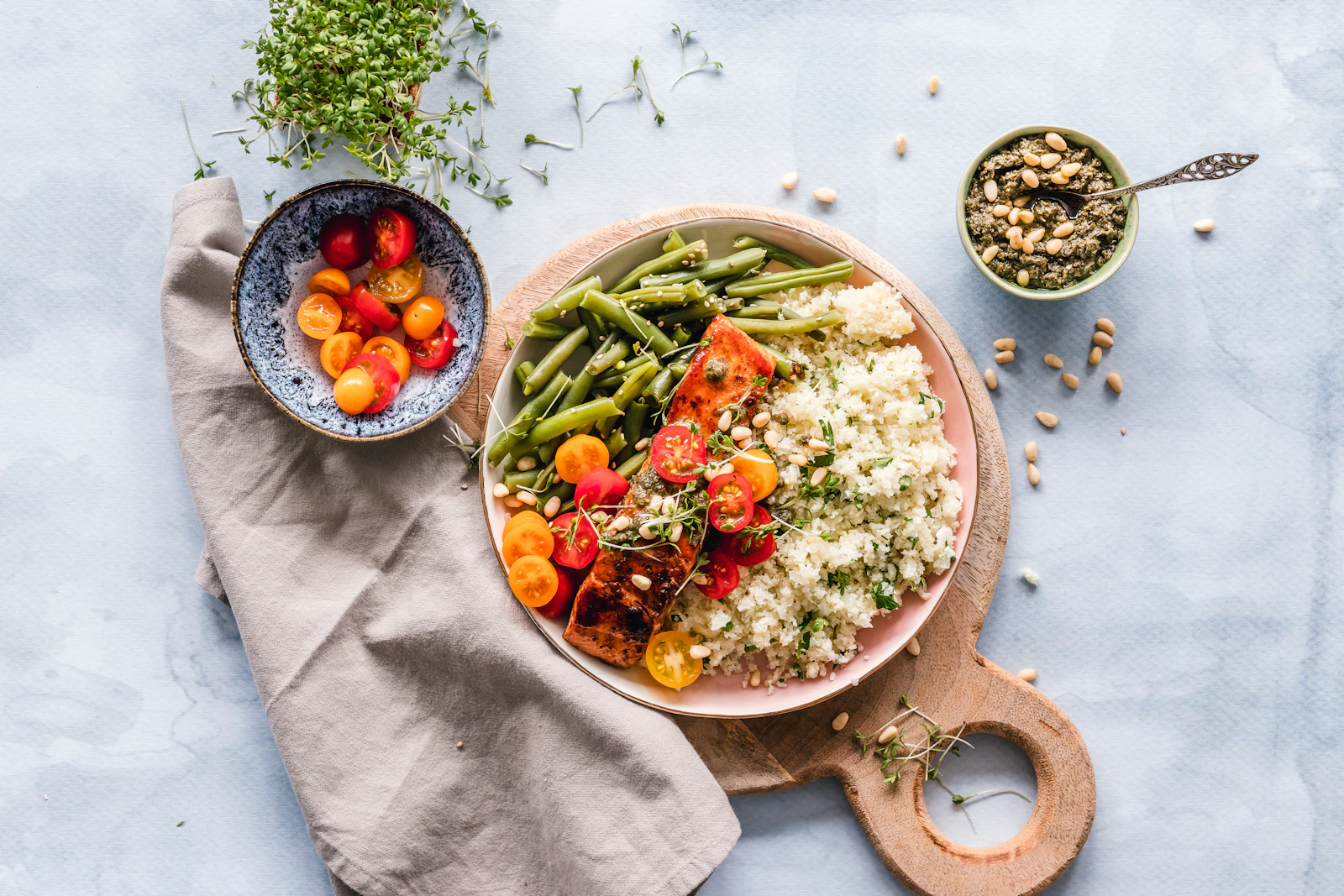
A more connected way to eat well.
Healthy eating is not confined to a recipe, shopping list, or carefully prepared meal. It can be part of a picnic with friends, a family celebration, a restaurant visit, or a simple snack shared during a busy afternoon.
The most useful habits are often the ones that leave room for real life. They support nourishment while respecting different preferences, cultures, schedules, and experiences.
Choose foods that satisfy you. Explore new flavors when you want to. Prepare practical options when they are helpful. And remember that a meal can offer something valuable beyond its ingredients.
When food becomes a source of both nourishment and connection, eating well can feel less like a task to complete and more like a natural part of living fully.
Make everyday moments more enjoyable.
From portable snacks and pantry staples to grains, legumes, spreads, beverages, and sweet treats, having a selection of familiar ingredients can make everyday plans easier to enjoy.
Explore Melloryn's assortment of products for home routines, shared tables, travel days, and the small occasions that bring people together.
Discover ingredients and convenient options that fit your preferences, your schedule, and your own approach to everyday living.
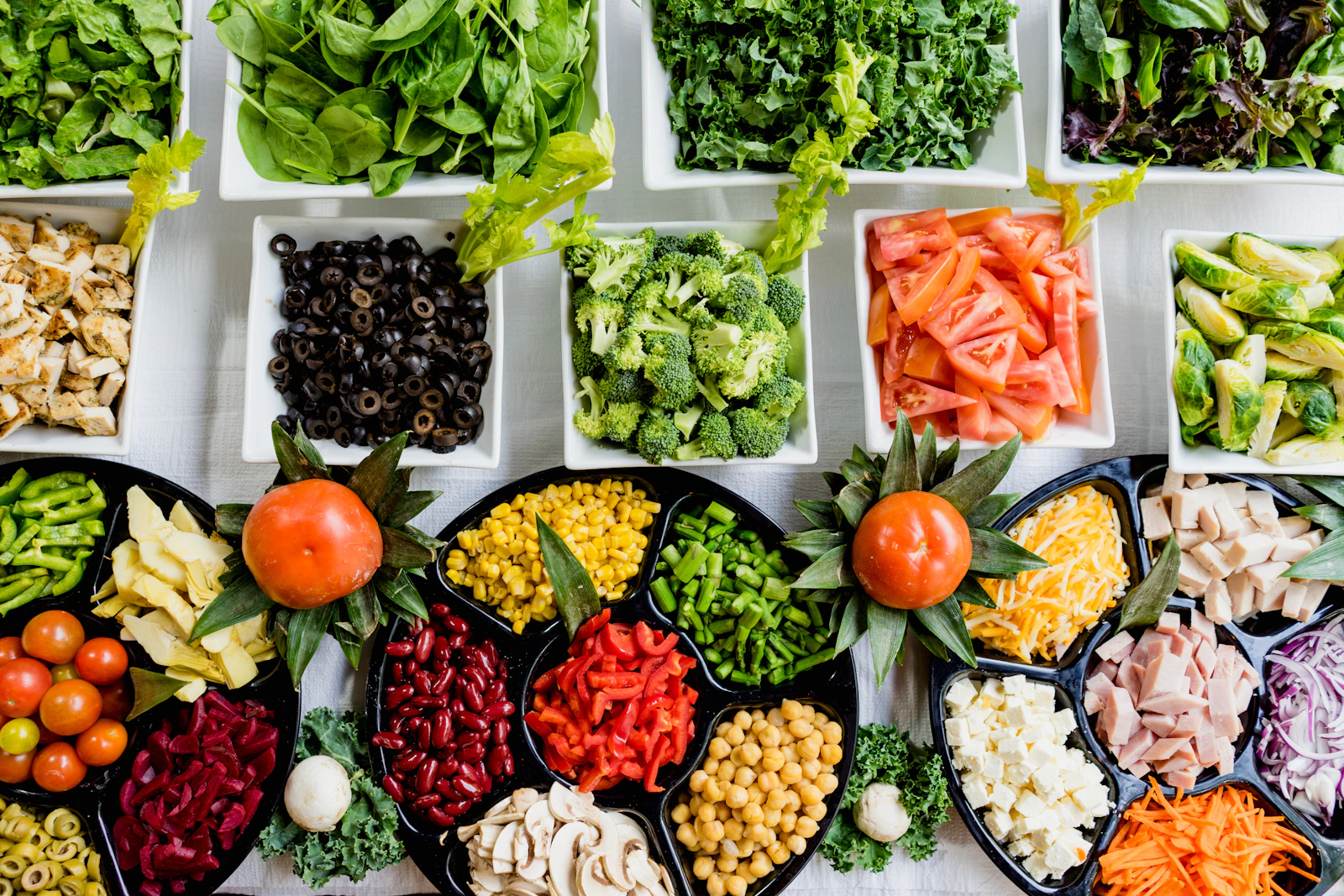
Editorial note: This article is intended for general lifestyle and food education, not individualized medical or nutritional advice. Dietary needs vary by person. Always consider food allergies, dietary restrictions, safe food handling, and professional guidance when relevant. For prolonged or intensive physical activity, individualized fueling and hydration requirements may differ from everyday needs.


