THE MELLORYN JOURNAL
The Art of Healthy Eating: Creating a Nourishing Kitchen for Everyday Living

The Art of Healthy Eating: Creating a Nourishing Kitchen for Everyday Living
A nourishing kitchen is more than a collection of ingredients. It is a space where simple choices, thoughtful routines, and everyday creativity come together to make satisfying meals feel natural and enjoyable.
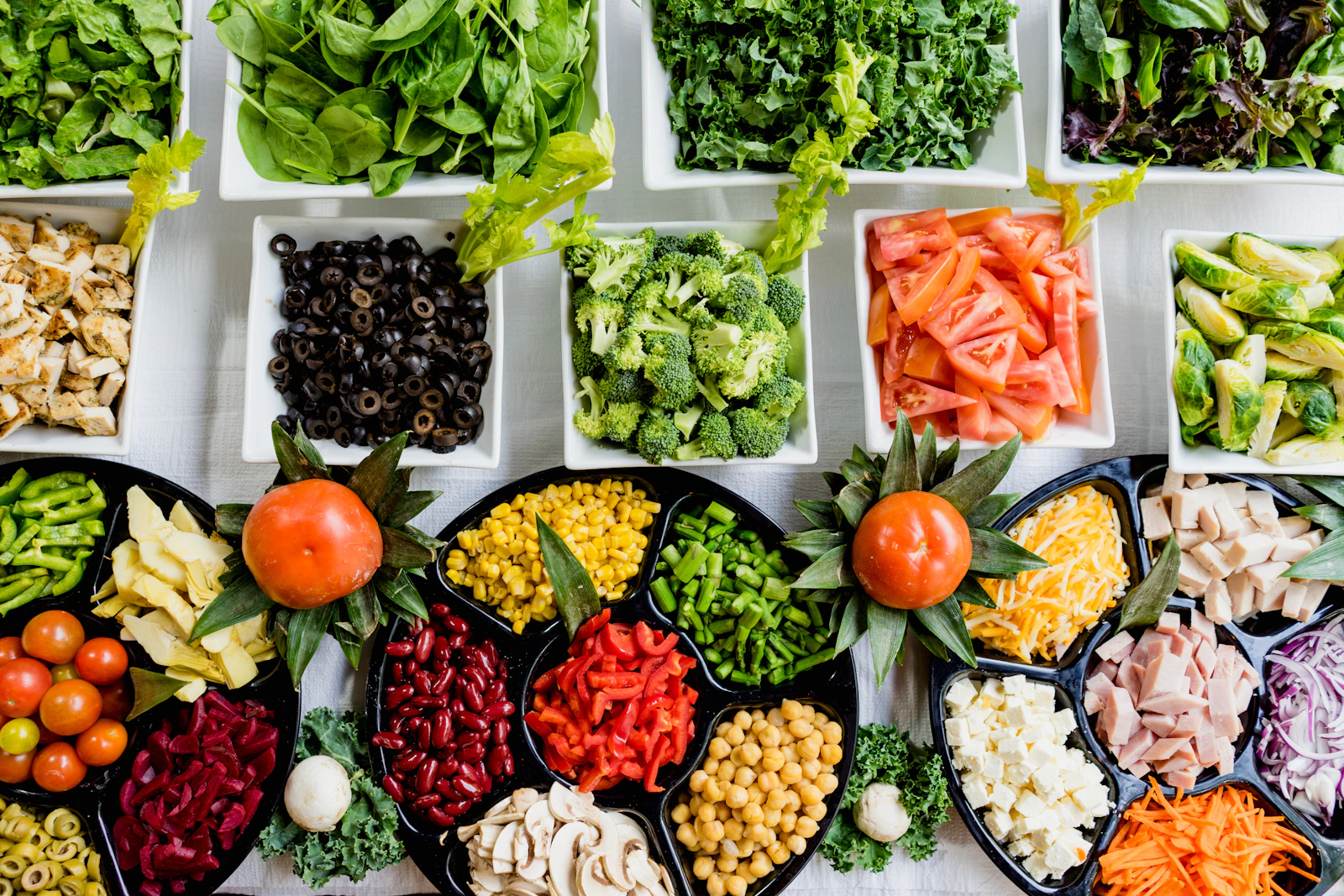
A kitchen that supports everyday life.
Healthy eating is often presented through elaborate meal plans, carefully measured ingredients, and complicated routines. Yet many of the most useful food habits begin with something much simpler: a kitchen that makes everyday meals easier to prepare and enjoy.
A nourishing kitchen does not need to be large, expensive, or perfectly organized. It can be built gradually around familiar ingredients, practical storage, reliable cooking tools, and a flexible approach to meal preparation.
The foods we keep within reach influence what we prepare on busy mornings, relaxed weekends, and evenings when time or energy is limited. A well-considered selection of pantry staples, fresh produce, and convenient options can make it easier to create meals that suit our tastes and individual needs.
But nourishment is about more than ingredients alone. It also includes the pleasure of cooking, the comfort of familiar recipes, the experience of sharing meals, and the freedom to adapt food choices as life changes.
In this guide, we explore how to create a kitchen that feels welcoming, functional, and inspiring, with simple ideas for stocking your pantry, preparing balanced meals, and developing habits that work in everyday life.
Six elements of a nourishing space.
A supportive kitchen is built around accessibility, versatility, and personal preferences. These practical elements can make everyday cooking feel more manageable.
Accessible Ingredients
Keep frequently used foods where they are easy to find. Organize shelves and storage areas so that ingredients are visible, accessible, and stored appropriately.
Versatile Staples
Choose ingredients that work across several meals. Grains, legumes, pasta, oats, and preferred seasonings can offer useful flexibility.
Fresh & Frozen Produce
Include fruits and vegetables in forms that fit your lifestyle. Fresh, frozen, and suitable canned varieties can all contribute to meal variety.
Practical Cooking Tools
A few reliable utensils, cookware items, and food-safe storage containers may be more useful than an extensive collection of specialized equipment.
Thoughtful Organization
Group similar ingredients, check dates and storage instructions, and arrange frequently used items to make meal preparation more efficient.
Room For Flexibility
Allow your kitchen routine to change with your schedule, appetite, household needs, and preferences rather than relying on rigid rules.

Make simplicity your starting point.
One of the most useful changes you can make in the kitchen is to focus on ingredients that are easy to combine rather than relying entirely on complicated recipes.
A cooked grain, a selection of vegetables, a protein source, and a flavorful dressing can form the basis of many different meals. Small adjustments in seasoning, texture, and preparation can make familiar combinations feel new.
This approach also creates room for convenience. Frozen vegetables, canned beans, prepared grains, and other practical ingredients can be valuable parts of a flexible kitchen routine.
The goal is not to prepare everything from scratch. It is to create meals that are enjoyable, appropriate for your needs, and realistic for the time you have available.
Build around ingredients you already know how to prepare and enjoy.
Experiment with a different vegetable, grain, seasoning, or cooking method.
Use practical ingredients and preparation shortcuts when they make daily life easier.
Build a pantry with purpose.
A thoughtfully stocked pantry can support breakfast, lunch, dinner, and snacks without requiring an entirely different set of ingredients for every meal. Consider these versatile categories as a starting point, adapting your selection to personal preferences, dietary needs, and available storage.
Rice & Quinoa
Useful foundations for warm dishes, salads, grain bowls, and simple sides.
Beans & Lentils
Versatile additions to soups, stews, salads, and a variety of everyday meals.
Oats & Granola
Convenient options for breakfast bowls, homemade snacks, and quick preparations.
Pasta & Noodles
Flexible meal bases that pair with vegetables, sauces, and preferred proteins.
Nuts & Seeds
Useful for adding crunch and flavor to selected meals, snacks, and toppings.
Nut & Seed Butters
Versatile ingredients for toast, oatmeal, sauces, and homemade treats.
Dried Fruit & Bars
Convenient choices for busy days, travel, and occasional snacks.
Tea & Coffee
Familiar additions to everyday routines, relaxing breaks, and shared moments.
Bring more variety to the table.
A colorful meal can be visually inviting, but variety is about more than appearance. Different foods offer different combinations of nutrients, flavors, and textures.
Vegetables, fruits, grains, legumes, and preferred protein foods can all contribute to a varied eating pattern. Including different foods across meals can be a practical way to explore new combinations without requiring every plate to follow a strict formula.
Color can also inspire creativity. Try combining leafy greens with roasted vegetables, pairing grains with fresh herbs, or adding fruit to breakfast bowls.
Remember that nourishment is not determined by color alone. Foods such as oats, beans, yogurt, potatoes, and other less colorful ingredients can also be valuable parts of everyday meals.
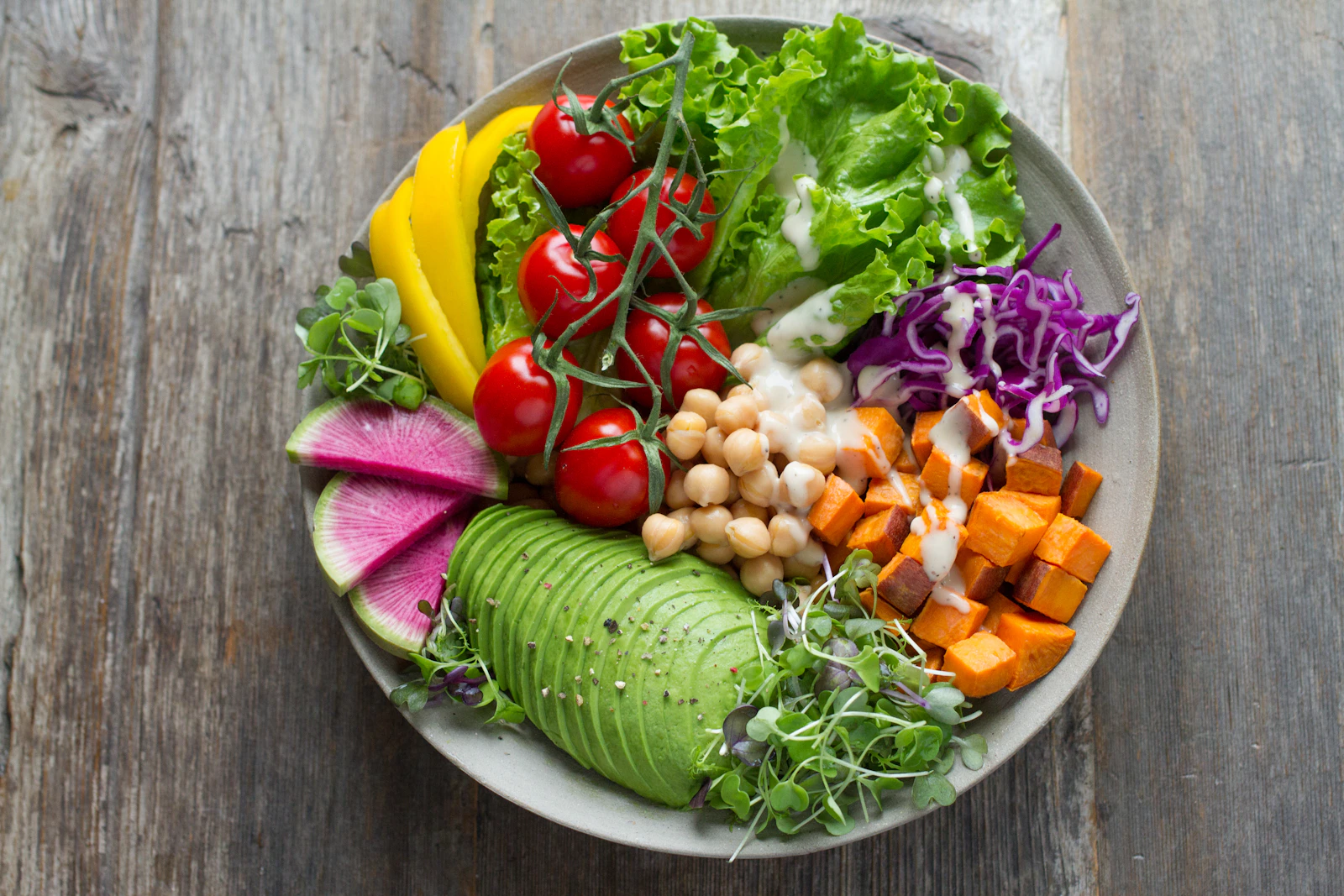
Four meals from familiar ingredients.
Creating satisfying meals does not require a complicated recipe. These ideas demonstrate how versatile ingredients can be combined into practical dishes that are easy to adapt to your tastes, appetite, and dietary needs.
Fruit & Oat Breakfast Bowl
A comforting breakfast built around oats, fruit, and your preferred toppings.
- Rolled oats and water or milk
- Fresh or frozen berries
- Banana or another preferred fruit
- Seeds, nuts, or an appropriate alternative
Cook oats according to the package instructions, then add fruit and toppings. Adjust the texture and flavor to your preference.
Everyday Grain Bowl
A flexible combination of grains, vegetables, legumes, and a simple dressing.
- Cooked rice or quinoa
- Cooked chickpeas or beans
- Leafy greens and chopped vegetables
- Olive oil, lemon, and preferred seasonings
Arrange the cooked grain, legumes, and vegetables in a bowl. Add dressing and adjust the ingredients to suit your preferences.
Simple Vegetable Pasta
A practical dinner that combines pasta with vegetables and a flavorful sauce.
- Pasta of your choice
- Tomatoes, spinach, or other vegetables
- Garlic, herbs, and olive oil
- Beans, tofu, or another preferred protein
Cook pasta according to package instructions. Prepare the vegetables and sauce, combine with the pasta, and add your chosen protein.
Yogurt & Granola Bowl
A quick option that brings together contrasting textures and familiar flavors.
- Plain or preferred yogurt
- Granola or toasted oats
- Fresh fruit
- Seeds or a suitable topping
Spoon yogurt into a bowl and add granola, fruit, and toppings. Serve immediately for the preferred texture.

Create a kitchen routine that fits.
Cooking routines are most useful when they reflect real schedules. A household with plenty of time on weekends may approach meal preparation differently from someone who cooks between work, travel, or family responsibilities.
Some people enjoy preparing ingredients in advance. Others prefer to cook fresh meals each day. Many find that a combination of both approaches works best.
You might cook a grain ahead of time, wash vegetables when you are ready to use them, or keep a few convenient foods available for unexpectedly busy days.
Rather than building your routine around strict expectations, identify the steps that genuinely make cooking easier. The most effective system is one you can adapt and continue using.
Focus on tasks that save time without creating unnecessary work.
Follow appropriate refrigeration, cooling, and reheating practices.
Adjust your plans when ingredients, appetite, or schedules change.
A nourishing kitchen is not defined by perfection. It is created through simple ingredients, thoughtful choices, and the everyday pleasure of making food your own.FOOD / HOME / BALANCE / EVERYDAY LIVING
Make nourishing choices easier.
A supportive kitchen develops through small decisions repeated over time. The aim is not to create a perfect food environment, but to make everyday meals more accessible, enjoyable, and manageable.
These simple habits can help you build a routine that reflects your own needs and preferences.
Use what you already have as inspiration for meals and avoid buying unnecessary duplicates.
Choose simple recipes you enjoy and can prepare confidently, then adapt them with different ingredients.
Across your usual eating pattern, explore fruits, vegetables, grains, proteins, and other foods that suit your needs.
Frozen produce, canned legumes, and suitable packaged staples can support practical everyday meals.
Keep preparation areas clean, prevent cross-contamination, cook foods appropriately, and store perishables safely.
Make space for favorite foods, family traditions, shared meals, and spontaneous choices.
Enjoy the experience of eating well.
Creating a nourishing kitchen is not only about what we prepare. It is also about how food fits into the rhythm of daily life.
Cooking can be a creative activity, a practical responsibility, or a way to spend time with people we care about. The same meal may serve different purposes on different days.
A quiet breakfast can provide a comfortable start to the morning. A shared dinner may create space for conversation. Preparing a familiar family recipe can connect us with traditions and memories.
There is no single correct way to experience food. A flexible approach makes room for convenience, curiosity, cultural preferences, and personal enjoyment alongside nutritional considerations.
When the kitchen supports rather than complicates everyday living, preparing meals can feel less like an obligation and more like a natural part of a balanced routine.


A kitchen built for real life.
The art of healthy eating does not depend on a flawless pantry, expensive equipment, or a complicated meal plan. It begins with understanding which ingredients and routines work for you.
A nourishing kitchen can be built gradually, one practical choice at a time. You might start by organizing your pantry, exploring a new grain, preparing a familiar meal with additional vegetables, or keeping convenient ingredients ready for busy days.
As these habits develop, your kitchen can become a more flexible and welcoming space for preparing food, trying new flavors, and enjoying everyday meals.
Most importantly, remember that healthy eating is not an all-or-nothing pursuit. Variety, satisfaction, accessibility, and personal preferences all have a place in a thoughtful approach to food.
The goal is simple: create a kitchen that supports the way you live and makes everyday nourishment feel achievable.
Bring more possibility to your pantry.
Thoughtful everyday meals begin with ingredients that are versatile, familiar, and suited to your preferences.
Explore Melloryn's assortment of grains, legumes, oatmeal, pasta, nuts, seeds, spreads, snacks, beverages, and other pantry essentials for a variety of kitchen routines.
Discover convenient staples and new ingredients that can inspire breakfasts, lunches, dinners, and the small food moments that make everyday living enjoyable.

Editorial note: This article is intended for general food and lifestyle education and does not replace individualized medical or nutritional advice. Dietary requirements vary. Consider food allergies, dietary restrictions, safe cooking temperatures, appropriate storage, and food handling practices when planning and preparing meals.
The Art of Healthy Eating: Creating a Nourishing Kitchen for Everyday Living
A nourishing kitchen is more than a collection of ingredients. It is a space where simple choices, thoughtful routines, and everyday creativity come together to make satisfying meals feel natural and enjoyable.
A kitchen that supports everyday life.
Healthy eating is often presented through elaborate meal plans, carefully measured ingredients, and complicated routines. Yet many of the most useful food habits begin with something much simpler: a kitchen that makes everyday meals easier to prepare and enjoy.
A nourishing kitchen does not need to be large, expensive, or perfectly organized. It can be built gradually around familiar ingredients, practical storage, reliable cooking tools, and a flexible approach to meal preparation.
The foods we keep within reach influence what we prepare on busy mornings, relaxed weekends, and evenings when time or energy is limited. A well-considered selection of pantry staples, fresh produce, and convenient options can make it easier to create meals that suit our tastes and individual needs.
But nourishment is about more than ingredients alone. It also includes the pleasure of cooking, the comfort of familiar recipes, the experience of sharing meals, and the freedom to adapt food choices as life changes.
In this guide, we explore how to create a kitchen that feels welcoming, functional, and inspiring, with simple ideas for stocking your pantry, preparing balanced meals, and developing habits that work in everyday life.
Six elements of a nourishing space.
A supportive kitchen is built around accessibility, versatility, and personal preferences. These practical elements can make everyday cooking feel more manageable.
Accessible Ingredients
Keep frequently used foods where they are easy to find. Organize shelves and storage areas so that ingredients are visible, accessible, and stored appropriately.
Versatile Staples
Choose ingredients that work across several meals. Grains, legumes, pasta, oats, and preferred seasonings can offer useful flexibility.
Fresh & Frozen Produce
Include fruits and vegetables in forms that fit your lifestyle. Fresh, frozen, and suitable canned varieties can all contribute to meal variety.
Practical Cooking Tools
A few reliable utensils, cookware items, and food-safe storage containers may be more useful than an extensive collection of specialized equipment.
Thoughtful Organization
Group similar ingredients, check dates and storage instructions, and arrange frequently used items to make meal preparation more efficient.
Room For Flexibility
Allow your kitchen routine to change with your schedule, appetite, household needs, and preferences rather than relying on rigid rules.
Make simplicity your starting point.
One of the most useful changes you can make in the kitchen is to focus on ingredients that are easy to combine rather than relying entirely on complicated recipes.
A cooked grain, a selection of vegetables, a protein source, and a flavorful dressing can form the basis of many different meals. Small adjustments in seasoning, texture, and preparation can make familiar combinations feel new.
This approach also creates room for convenience. Frozen vegetables, canned beans, prepared grains, and other practical ingredients can be valuable parts of a flexible kitchen routine.
The goal is not to prepare everything from scratch. It is to create meals that are enjoyable, appropriate for your needs, and realistic for the time you have available.
Build around ingredients you already know how to prepare and enjoy.
Experiment with a different vegetable, grain, seasoning, or cooking method.
Use practical ingredients and preparation shortcuts when they make daily life easier.
Build a pantry with purpose.
A thoughtfully stocked pantry can support breakfast, lunch, dinner, and snacks without requiring an entirely different set of ingredients for every meal. Consider these versatile categories as a starting point, adapting your selection to personal preferences, dietary needs, and available storage.
Rice & Quinoa
Useful foundations for warm dishes, salads, grain bowls, and simple sides.
Beans & Lentils
Versatile additions to soups, stews, salads, and a variety of everyday meals.
Oats & Granola
Convenient options for breakfast bowls, homemade snacks, and quick preparations.
Pasta & Noodles
Flexible meal bases that pair with vegetables, sauces, and preferred proteins.
Nuts & Seeds
Useful for adding crunch and flavor to selected meals, snacks, and toppings.
Nut & Seed Butters
Versatile ingredients for toast, oatmeal, sauces, and homemade treats.
Dried Fruit & Bars
Convenient choices for busy days, travel, and occasional snacks.
Tea & Coffee
Familiar additions to everyday routines, relaxing breaks, and shared moments.
Bring more variety to the table.
A colorful meal can be visually inviting, but variety is about more than appearance. Different foods offer different combinations of nutrients, flavors, and textures.
Vegetables, fruits, grains, legumes, and preferred protein foods can all contribute to a varied eating pattern. Including different foods across meals can be a practical way to explore new combinations without requiring every plate to follow a strict formula.
Color can also inspire creativity. Try combining leafy greens with roasted vegetables, pairing grains with fresh herbs, or adding fruit to breakfast bowls.
Remember that nourishment is not determined by color alone. Foods such as oats, beans, yogurt, potatoes, and other less colorful ingredients can also be valuable parts of everyday meals.
Four meals from familiar ingredients.
Creating satisfying meals does not require a complicated recipe. These ideas demonstrate how versatile ingredients can be combined into practical dishes that are easy to adapt to your tastes, appetite, and dietary needs.
Fruit & Oat Breakfast Bowl
A comforting breakfast built around oats, fruit, and your preferred toppings.
- Rolled oats and water or milk
- Fresh or frozen berries
- Banana or another preferred fruit
- Seeds, nuts, or an appropriate alternative
Cook oats according to the package instructions, then add fruit and toppings. Adjust the texture and flavor to your preference.
Everyday Grain Bowl
A flexible combination of grains, vegetables, legumes, and a simple dressing.
- Cooked rice or quinoa
- Cooked chickpeas or beans
- Leafy greens and chopped vegetables
- Olive oil, lemon, and preferred seasonings
Arrange the cooked grain, legumes, and vegetables in a bowl. Add dressing and adjust the ingredients to suit your preferences.
Simple Vegetable Pasta
A practical dinner that combines pasta with vegetables and a flavorful sauce.
- Pasta of your choice
- Tomatoes, spinach, or other vegetables
- Garlic, herbs, and olive oil
- Beans, tofu, or another preferred protein
Cook pasta according to package instructions. Prepare the vegetables and sauce, combine with the pasta, and add your chosen protein.
Yogurt & Granola Bowl
A quick option that brings together contrasting textures and familiar flavors.
- Plain or preferred yogurt
- Granola or toasted oats
- Fresh fruit
- Seeds or a suitable topping
Spoon yogurt into a bowl and add granola, fruit, and toppings. Serve immediately for the preferred texture.
Create a kitchen routine that fits.
Cooking routines are most useful when they reflect real schedules. A household with plenty of time on weekends may approach meal preparation differently from someone who cooks between work, travel, or family responsibilities.
Some people enjoy preparing ingredients in advance. Others prefer to cook fresh meals each day. Many find that a combination of both approaches works best.
You might cook a grain ahead of time, wash vegetables when you are ready to use them, or keep a few convenient foods available for unexpectedly busy days.
Rather than building your routine around strict expectations, identify the steps that genuinely make cooking easier. The most effective system is one you can adapt and continue using.
Focus on tasks that save time without creating unnecessary work.
Follow appropriate refrigeration, cooling, and reheating practices.
Adjust your plans when ingredients, appetite, or schedules change.
A nourishing kitchen is not defined by perfection. It is created through simple ingredients, thoughtful choices, and the everyday pleasure of making food your own.FOOD / HOME / BALANCE / EVERYDAY LIVING
Make nourishing choices easier.
A supportive kitchen develops through small decisions repeated over time. The aim is not to create a perfect food environment, but to make everyday meals more accessible, enjoyable, and manageable.
These simple habits can help you build a routine that reflects your own needs and preferences.
Use what you already have as inspiration for meals and avoid buying unnecessary duplicates.
Choose simple recipes you enjoy and can prepare confidently, then adapt them with different ingredients.
Across your usual eating pattern, explore fruits, vegetables, grains, proteins, and other foods that suit your needs.
Frozen produce, canned legumes, and suitable packaged staples can support practical everyday meals.
Keep preparation areas clean, prevent cross-contamination, cook foods appropriately, and store perishables safely.
Make space for favorite foods, family traditions, shared meals, and spontaneous choices.
Enjoy the experience of eating well.
Creating a nourishing kitchen is not only about what we prepare. It is also about how food fits into the rhythm of daily life.
Cooking can be a creative activity, a practical responsibility, or a way to spend time with people we care about. The same meal may serve different purposes on different days.
A quiet breakfast can provide a comfortable start to the morning. A shared dinner may create space for conversation. Preparing a familiar family recipe can connect us with traditions and memories.
There is no single correct way to experience food. A flexible approach makes room for convenience, curiosity, cultural preferences, and personal enjoyment alongside nutritional considerations.
When the kitchen supports rather than complicates everyday living, preparing meals can feel less like an obligation and more like a natural part of a balanced routine.
A kitchen built for real life.
The art of healthy eating does not depend on a flawless pantry, expensive equipment, or a complicated meal plan. It begins with understanding which ingredients and routines work for you.
A nourishing kitchen can be built gradually, one practical choice at a time. You might start by organizing your pantry, exploring a new grain, preparing a familiar meal with additional vegetables, or keeping convenient ingredients ready for busy days.
As these habits develop, your kitchen can become a more flexible and welcoming space for preparing food, trying new flavors, and enjoying everyday meals.
Most importantly, remember that healthy eating is not an all-or-nothing pursuit. Variety, satisfaction, accessibility, and personal preferences all have a place in a thoughtful approach to food.
The goal is simple: create a kitchen that supports the way you live and makes everyday nourishment feel achievable.
Bring more possibility to your pantry.
Thoughtful everyday meals begin with ingredients that are versatile, familiar, and suited to your preferences.
Explore Melloryn's assortment of grains, legumes, oatmeal, pasta, nuts, seeds, spreads, snacks, beverages, and other pantry essentials for a variety of kitchen routines.
Discover convenient staples and new ingredients that can inspire breakfasts, lunches, dinners, and the small food moments that make everyday living enjoyable.
Editorial note: This article is intended for general food and lifestyle education and does not replace individualized medical or nutritional advice. Dietary requirements vary. Consider food allergies, dietary restrictions, safe cooking temperatures, appropriate storage, and food handling practices when planning and preparing meals.


